

-
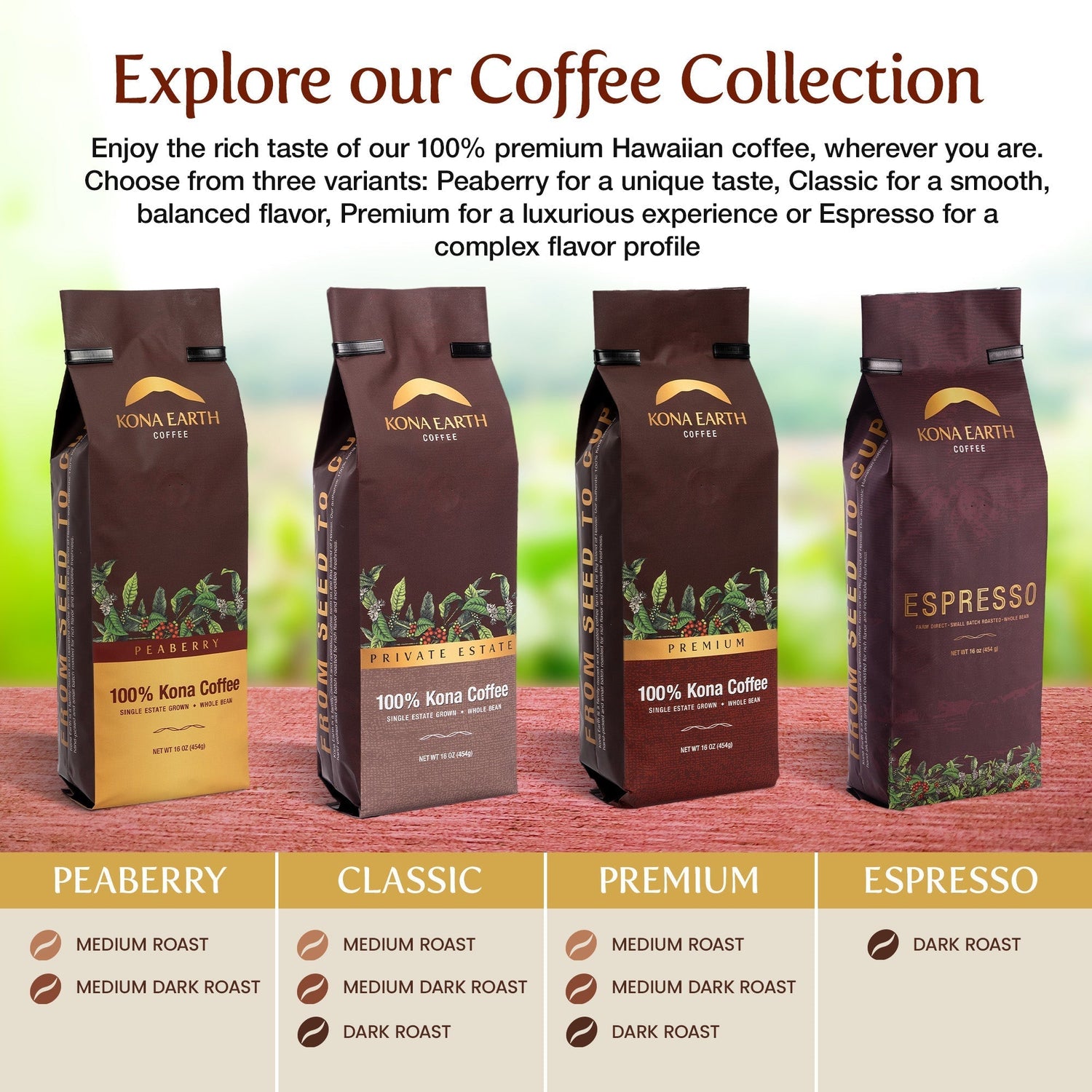
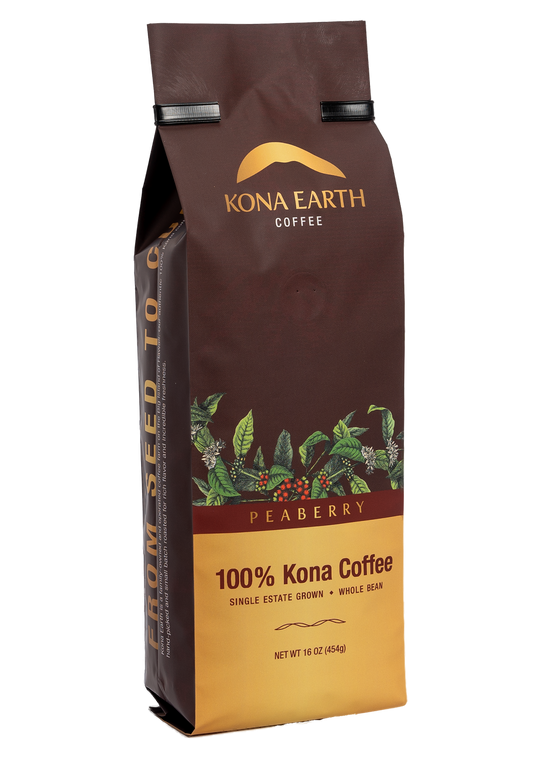
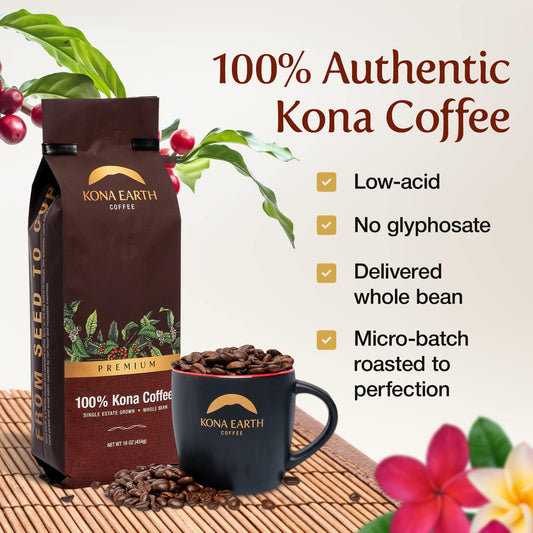
100% Kona Peaberry Coffee (16 oz)
Regular price $69.95 USDRegular priceUnit price per -
100% Kona Premium Coffee (8oz, 16oz, 5 lb)
Regular price From $33.00 USDRegular priceUnit price per -
100% Kona Classic Coffee (8oz, 16oz, 5lb)
Regular price From $28.00 USDRegular priceUnit price per


-

Kona Earth Merchandise
Show your love for 100% Kona Coffee with our Kona Earth merchandise,...
-

Hawaiian Sweets
Indulge in the vibrant flavors of Hawaii with our exquisite gourmet sweets....


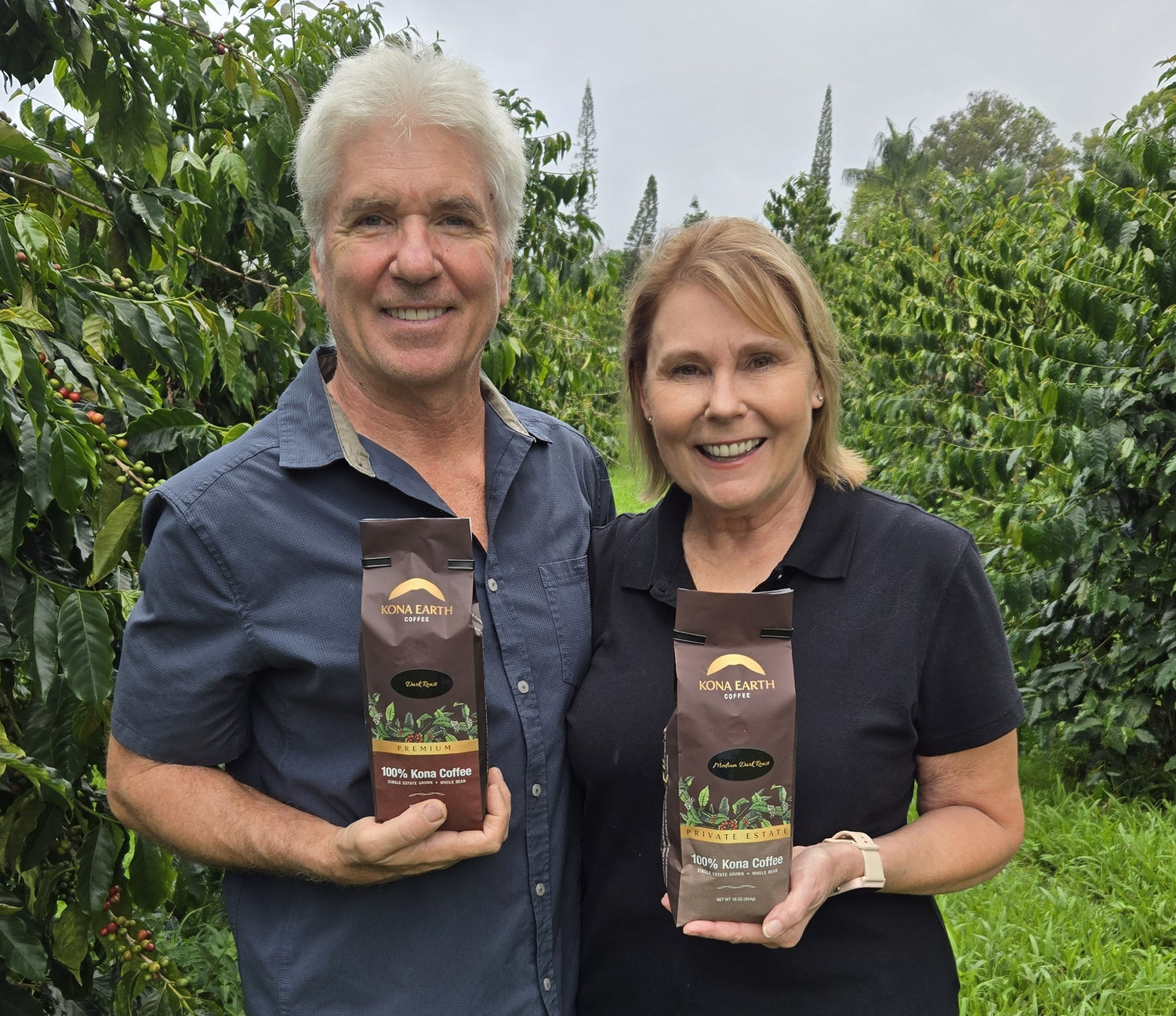
Our Story
During the pandemic, Steve and Joanie Wynn decided they were ready for a change and a new challenge. They found both in Kona Earth. Click below to learn our story.
Let customers speak for us

We purchased 1 Dark and 1 Medium roast for the office and
we went through 4 full pots yesterday. Rave reviews by all.
It was the coffee equivalent of a fine Bordeaux!

Fast and friendly! They even wrote a hand written “Mahalo”! These are gifts, so I haven’t tasted them yet, but they are nicely packaged and look delicious! Mahalo!

I can’t say enough about the quality of the products and amazing coffee. Thank you both for the amazing customer service, the personal touches and timely shipping.
There’s no coffee like Kona Earth coffee. Thank goodness Kona Earth delivers to the mainland so I can enjoy Kona Premium Coffee every morning. It’s fresh, full-bodied, delicious…the best way to wake up!
Kona Earth's medium dark whole bean is one of the smoothest products we've tried. We've been drinking Big Island sourced coffee for many years and this farm produces something special!

The coffee at Kona Earth is right up with all of the plantations in Kona. I’ve have had the pleasure of tasting and purchasing coffee at all,of the plantations on Bishop road and this is one of my favorites. Wishing all the success in the world for this farm and I’m looking forward to many more years of drinking their brew!
Excellent coffee! And fast delivery! Look forward to getting it each month.

This Kona decaf is very good, and at the right price. The shipping charge to Hong Kong, unlike other Kona products from other suppliers, was only about half the cost of the coffee instead of being a multiple of the coffee charge.
I have now ordered this set for several friends and relatives and everyone raves about how beautiful the knife is, not to mention how high quality it is. It's like a piece of art in the kitchen that is useful at the same time. And the rub...it goes with everything, although my personal favorite is grilled salmon. Just delicious!
I love waking up, brewing my Kona Premium Coffee, and sipping away while waking up. The coffee is so smooth and tasty. Try it!

Sent this as a gift to my cousin and she was just thrilled. She said the coffee was so delicious and loved the mugs, it made it feel like she was back at home in Hawaii. I wholeheartedly recommend Kona Earth to anyone out there.
Bringing a bag of Kona Earth Coffee as a host or hostess gift is always met with delight and appreciation. Thank you for all the hard work that goes into creating your wonderful coffee.

The coffee and chocolate bar are delicious and placed in a very nice burlap gift bag. I would definitely purchase again.

I lost my thesaurus and I can’t find the words to describe this coffee.
-

Farm Fresh
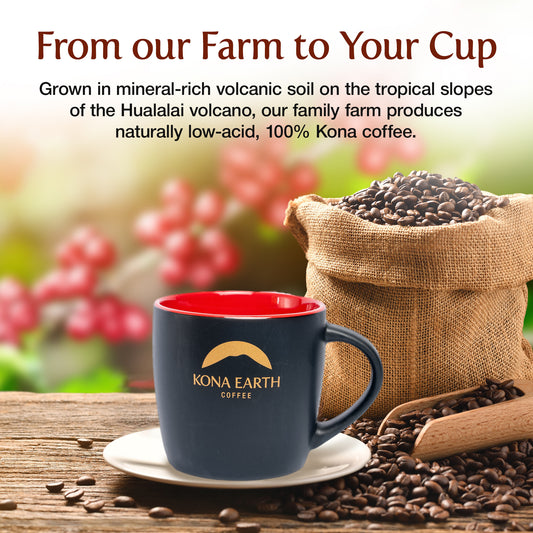
Learn MoreGrown on family farms in Kona, our coffee is small-batch roasted to bring out the best in every bean, then shipped right to your doorstep for supreme freshness.
-

Award-Winning
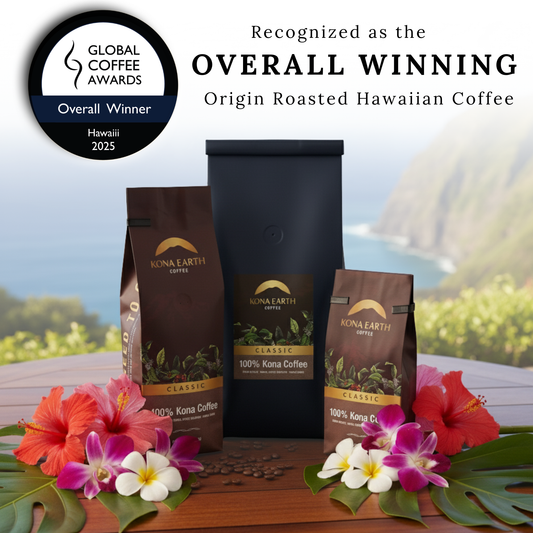
Learn MoreOur coffees were recently recognized by the Global Coffee Awards as Overall winner, Hawaii in the Origin Roasted category (for coffee roasted at the source).
-

Grown with Aloha
Learn MoreOur family farm supports fair wage labor & sustainable farming methods. We care about our workers, our planet, our Kona coffee community, and our customers.
-

We Give Back
Learn MoreWe contribute to the preservation and advocacy of Hawaii's fragile ecosystems, ensuring a sustainable future for this beautiful paradise.


